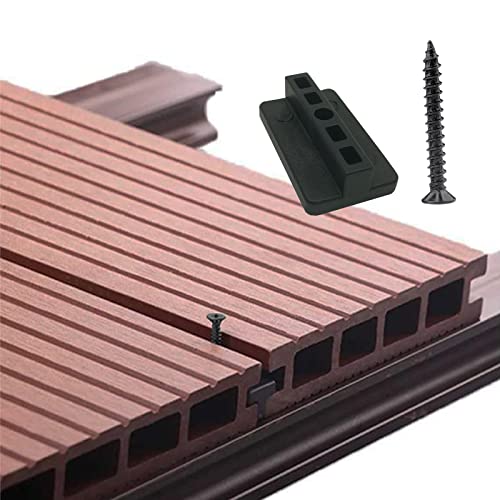
Comparing Composite vs Timber Decking for Patios
This guide will explore the key differences between composite and timber decking for patios, helping you make an informed decision for your outdoor space. Both materials have their own unique benefits and drawbacks, which can significantly impact the longevity, maintenance, and aesthetic appeal of your patio. Understanding these factors is crucial as you invest in decking that enhances your home and lifestyle.
This guide is designed for homeowners, landscapers, and DIY enthusiasts who are considering decking options for their patios. You will learn about the price ranges, maintenance requirements, durability, and visual appeal of both composite and timber decking. By the end of this guide, you will have a clearer understanding of which material suits your needs best, whether you are looking for a budget-friendly option or a high-end finish.
Research Material Properties
Before choosing between composite and timber decking, research the properties of each material. Composite decking is often made from recycled materials, making it environmentally friendly, while timber decking offers a natural aesthetic that some homeowners prefer.
People Also Look For:
- Decking Tiles Hardwood Wooden Interlocking Deck Tile Patio Balcony Roof Garden 30cm x 30cm x 2.5cm Square Hardwood Decking Tile (3...
- Tuda Grass Direct Composite decking balustrade railing kit - 1.5m - full kit - grey - teak - black (Black)
- UShaped Wrought Iron Stair Railing for ElderlyIndoor/Outdoor Steps Decking HandrailSafety Rail Installation Kit for Staircases and...
- CLICK-DECK HARDWOOD Decking Tiles - Patio, Balcony, Roof Terrace, Square, Clip, Easy Flooring, Cheap Prices For Large Quantities (...
- Nicoman Garden Decking Tiles Cosmopolitan Patio, Terrace, Hot Tub Deck Tiles | Interlocking Decking Tiles | Recycled | Cosmo Compo...
Consider Dimensions and Space
Measure the space where you plan to install your decking. Composite boards typically come in standard sizes, but timber can be cut to fit specific dimensions. Make sure to account for any additional features like steps or railings.
Evaluate Installation Requirements
Understand the installation requirements for both types of decking. Composite decking usually involves fewer tools and less time to install than timber, which may require more extensive preparation and maintenance.
Assess Durability and Weather Resistance
Consider the durability of each material. Composite decking is generally more resistant to weather, rot, and insects, while timber may require regular treatments to maintain its integrity against the elements.
Compare Long-term Costs
Look beyond the initial price when comparing costs. Composite decking may have a higher upfront cost but often requires less maintenance, while timber can be cheaper initially but may incur higher long-term maintenance costs.
Factor in Delivery and Availability
Check the availability of materials and delivery options. Some composite materials may have longer lead times, while timber might be readily available at local suppliers. Plan accordingly to ensure timely project completion.