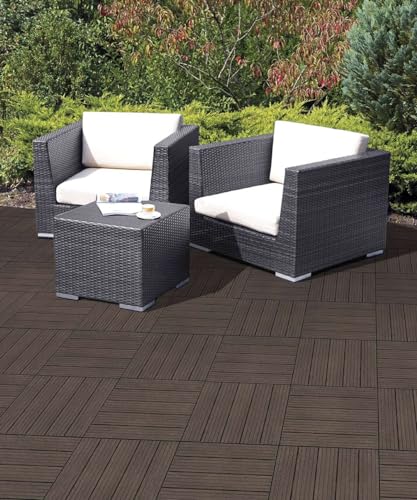
Comparing Composite vs Timber Decking for Patios
This guide will explore the key differences between composite and timber decking for patios, helping you make an informed decision for your outdoor space. Both materials have their own unique benefits and drawbacks, which can significantly impact the longevity, maintenance, and aesthetic appeal of your patio. Understanding these factors is crucial as you invest in decking that enhances your home and lifestyle.
This guide is designed for homeowners, landscapers, and DIY enthusiasts who are considering decking options for their patios. You will learn about the price ranges, maintenance requirements, durability, and visual appeal of both composite and timber decking. By the end of this guide, you will have a clearer understanding of which material suits your needs best, whether you are looking for a budget-friendly option or a high-end finish.
Research Material Properties
Before choosing between composite and timber decking, research the properties of each material. Composite decking is often made from recycled materials, making it environmentally friendly, while timber decking offers a natural aesthetic that some homeowners prefer.
People Also Look For:
- Habaylin Outdoor Rug for Patios Waterproof, Reversible Large Garden Rug, Foldable Outdoor Carpet Mat, Lightweight Plastic Area Pat...
- Tomotato Deck Installation Straightener Tool, Composite Decking Board Alignment Straightening Locking Tool for Heavy Duty Projects...
- RASTKY Deck Installation Straightener Portable Alignment Tool for Composite Decking Boards Lightweight Aluminum Alloy 37cm Easy Al...
- 10 pcs Wood-Plastic Composite Decking Tiles Kit, Easy Install Interlocking WPC Deck Panels for Garden, Balcony & Patio, Low Mainte...
- 12pack Decking Pedestal Adjustable, Decking Risers Adjustable 30-60 Mm(11.8-23.6inch), Decking Supports for Courtyard Paving Water...
Consider Dimensions and Space
Measure the space where you plan to install your decking. Composite boards typically come in standard sizes, but timber can be cut to fit specific dimensions. Make sure to account for any additional features like steps or railings.
Evaluate Installation Requirements
Understand the installation requirements for both types of decking. Composite decking usually involves fewer tools and less time to install than timber, which may require more extensive preparation and maintenance.
Assess Durability and Weather Resistance
Consider the durability of each material. Composite decking is generally more resistant to weather, rot, and insects, while timber may require regular treatments to maintain its integrity against the elements.
Compare Long-term Costs
Look beyond the initial price when comparing costs. Composite decking may have a higher upfront cost but often requires less maintenance, while timber can be cheaper initially but may incur higher long-term maintenance costs.
Factor in Delivery and Availability
Check the availability of materials and delivery options. Some composite materials may have longer lead times, while timber might be readily available at local suppliers. Plan accordingly to ensure timely project completion.